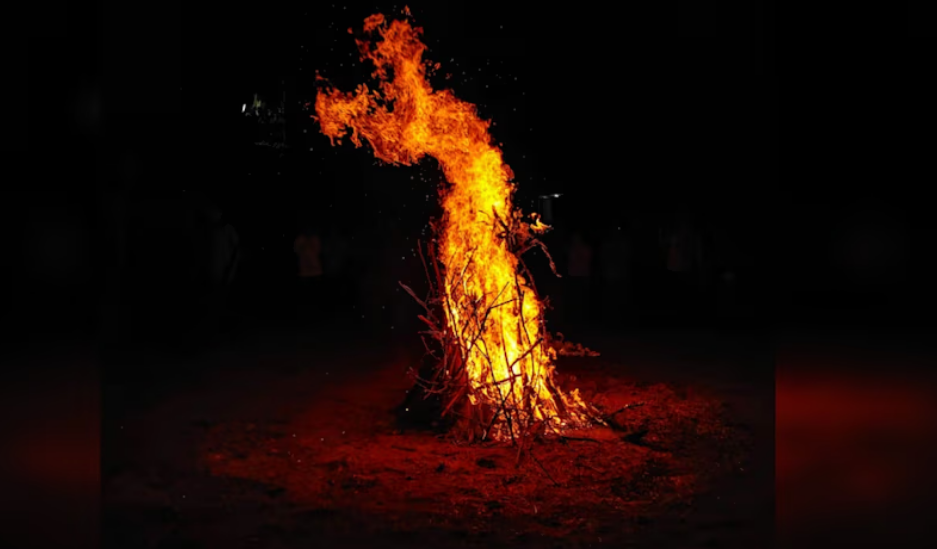
Construction sites are inherently high-risk environments due to the presence of flammable materials, heavy machinery, welding activities, and temporary electrical setups. Fire Watch Guards act as the first line of defense, constantly monitoring the site to prevent fire hazards, protect workers, and safeguard property. Studies indicate that construction sites with dedicated fire watch personnel experience significantly fewer fire-related incidents compared to sites without such oversight.
2. What are the primary responsibilities of Fire Watch Guards on construction sites?
Their main responsibilities include continuous site surveillance, hazard detection, emergency response, and ensuring proper storage of flammable materials. Guards monitor welding and cutting operations, inspect electrical equipment, and ensure fire extinguishers are accessible. By identifying risks early, they prevent small issues from escalating into major fire emergencies. Data suggests that proactive fire monitoring can reduce the likelihood of fire incidents on construction sites by up to 60%.
3. Are Fire Watch Guards needed only during working hours?
No. Fires can occur at any time, including nights, weekends, or holidays when construction activity is minimal. Fire Watch Guards often work in shifts to provide 24/7 coverage, ensuring that temporary storage areas, fuel supplies, and other high-risk zones are continuously monitored. Research shows that around one-third of construction site fires occur outside regular working hours, making constant vigilance essential.
4. How do Fire Watch Guards respond to fire emergencies on-site?
When a fire is detected, Fire Watch Guards immediately trigger alarms, notify emergency responders, and guide workers to safety. Their rapid intervention is critical: studies indicate that early action within the first few minutes can reduce fire damage by nearly 50%. On construction sites, where delays can increase risks due to heavy equipment and ongoing activities, this swift response is particularly vital.
5. What training do Fire Watch Guards undergo for construction sites?
Fire Watch Guards receive specialized training that includes fire detection, emergency response, first aid, and the safe use of firefighting equipment. They are also familiarized with the unique hazards of each construction site, such as welding zones, fuel storage, and temporary electrical setups. This targeted training ensures they can respond effectively to both minor and major fire incidents.
6. How do Fire Watch Guards complement fire safety measures on construction sites?
While fire extinguishers, smoke detectors, and sprinkler systems are essential, they cannot replace human judgment. Fire Watch Guards provide real-time monitoring, detect subtle hazards, and make immediate decisions to prevent incidents from escalating. Combining human vigilance with technological measures ensures a safer construction environment.
7. Are Fire Watch Guards cost-effective for construction projects?
Yes. Fires on construction sites can cause severe property damage, project delays, and financial losses. Employing Fire Watch Guards is a cost-effective strategy to prevent these risks. Data shows that construction projects with proactive fire monitoring experience fewer incidents, ensuring worker safety and uninterrupted progress.
8. What guidelines should construction sites follow regarding Fire Watch Guards?
Construction sites should assign trained Fire Watch Guards to high-risk areas, maintain clear access to firefighting equipment, schedule continuous shifts, and ensure guards are aware of site-specific hazards. Regular communication with site supervisors and workers enhances overall preparedness and strengthens fire prevention efforts.
Conclusion:
Fire Watch Guards are essential for maintaining safety on construction sites. Through continuous monitoring, early hazard detection, and rapid emergency response, they protect lives, minimize property damage, and ensure project continuity. In high-risk construction environments, these professionals form a critical part of an effective fire prevention strategy.